
80 million tons of food wasted every year. Here's what's behind that number — and what actually helps.
Lee Haverman
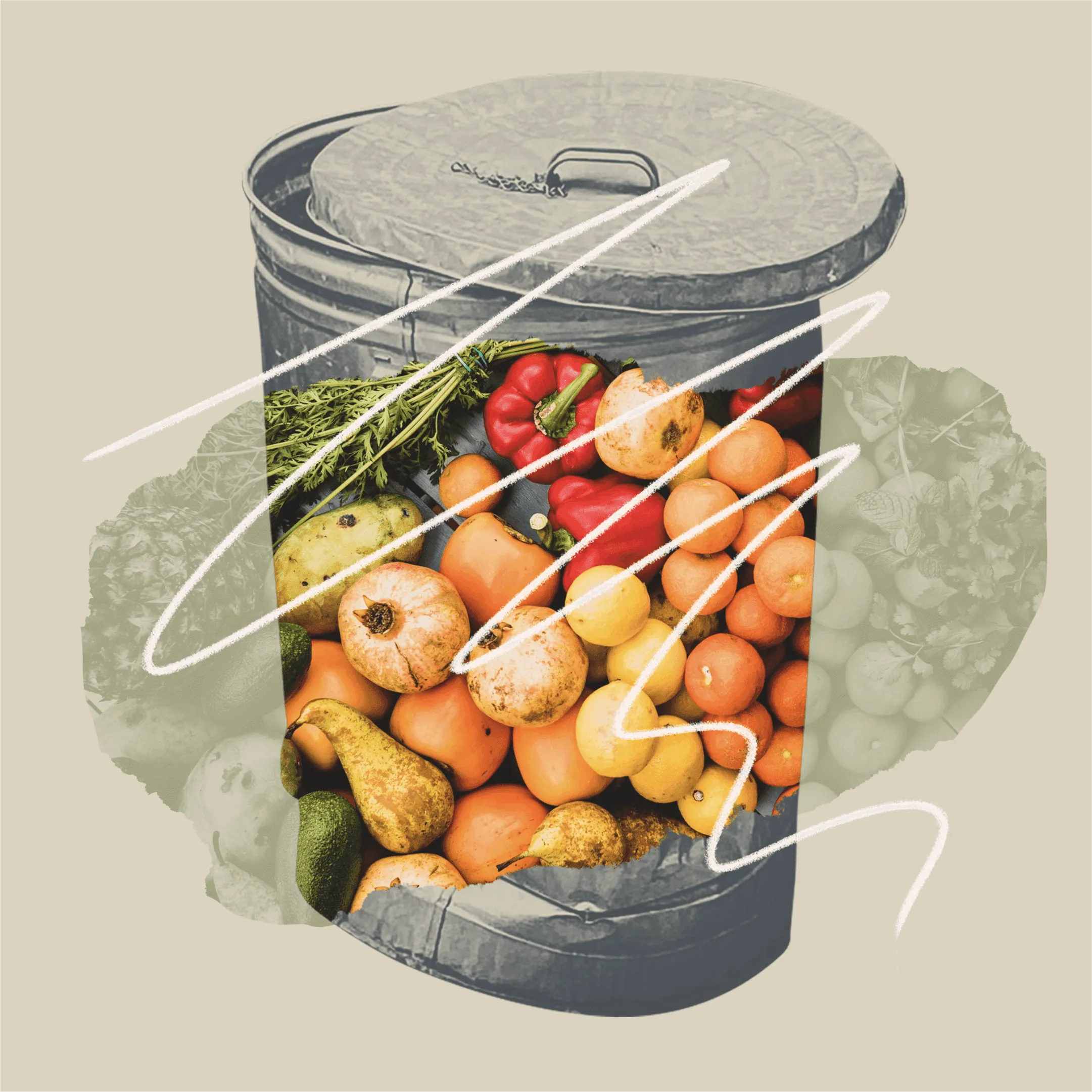
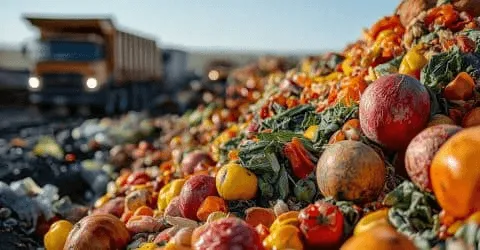
Eighty million tons. That's how much food the United States wastes every year. If American food waste were a country, it would be the third largest producer of greenhouse gases in the world — behind only the US and China. It's one of those statistics that sounds made up until you start looking into it, and then you can't stop thinking about it.
Where Does the Waste Actually Happen?
Most people assume food waste is a consumer problem — households throwing out leftovers and forgotten produce. And that's part of it. But a massive amount of waste happens long before food reaches anyone's kitchen.
At the farm level, produce is rejected by distributors and retailers for being the wrong size, the wrong shape, or simply surplus to what the market needs that week. Entire harvests get plowed back into the ground because there's no buyer. At the distribution level, produce spoils in transit or gets rejected at the loading dock over minor quality issues. By the time food reaches grocery stores, a significant percentage of what was grown has already been lost.
The Cosmetic Standards Problem
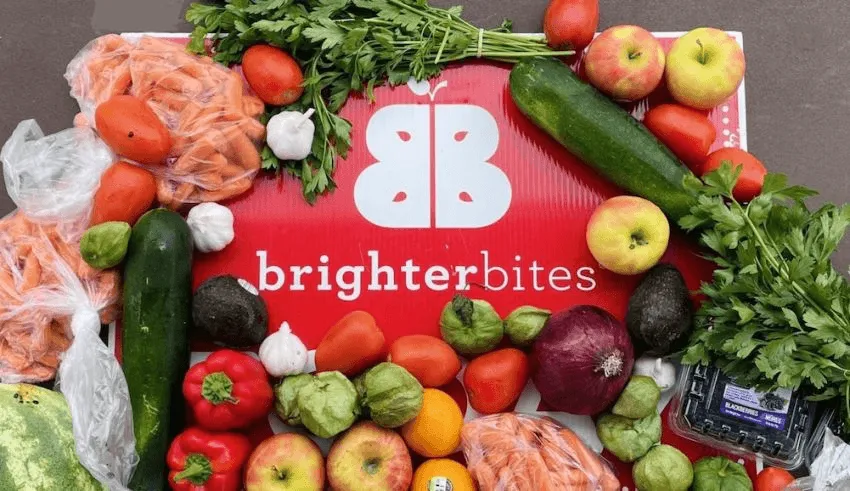
One of the least-talked-about drivers of farm-level food waste is cosmetic grading. Grocery retailers have strict standards for how produce must look — specific size ranges, color uniformity, shape requirements. A carrot that grew with a fork in it. A pepper with an unusual curve. A tomato that's slightly too small. None of this affects taste, nutrition, or safety. All of it gets rejected anyway.
The result is that a meaningful percentage of every harvest — estimates range from 20 to 40 percent depending on the crop — never makes it off the farm.
What Actually Helps
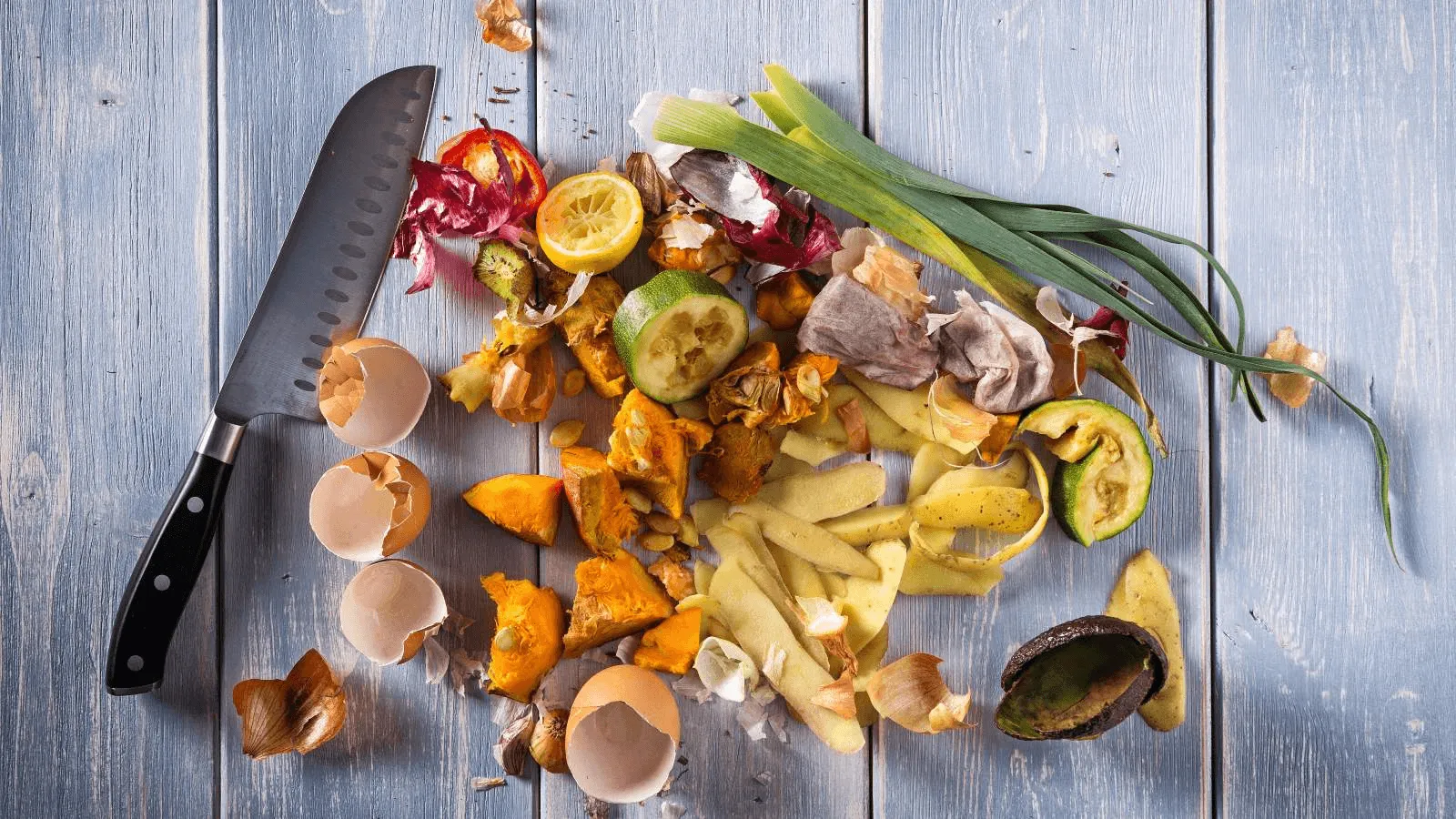
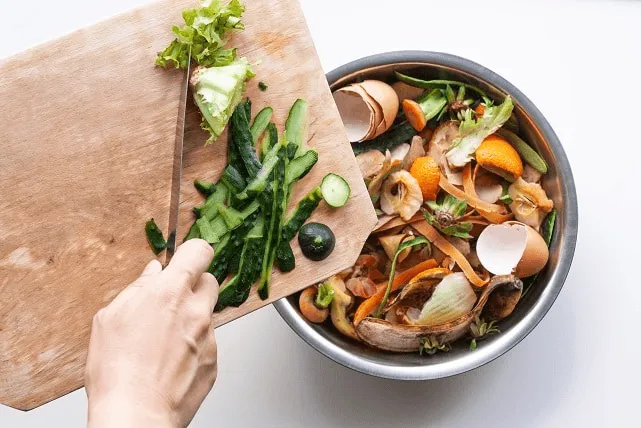
The solutions to food waste aren't complicated, but they do require intention. Buying ugly produce when you see it. Supporting brands that source surplus and imperfect ingredients. Cooking with what's in your fridge before buying more. Composting what you can't use.
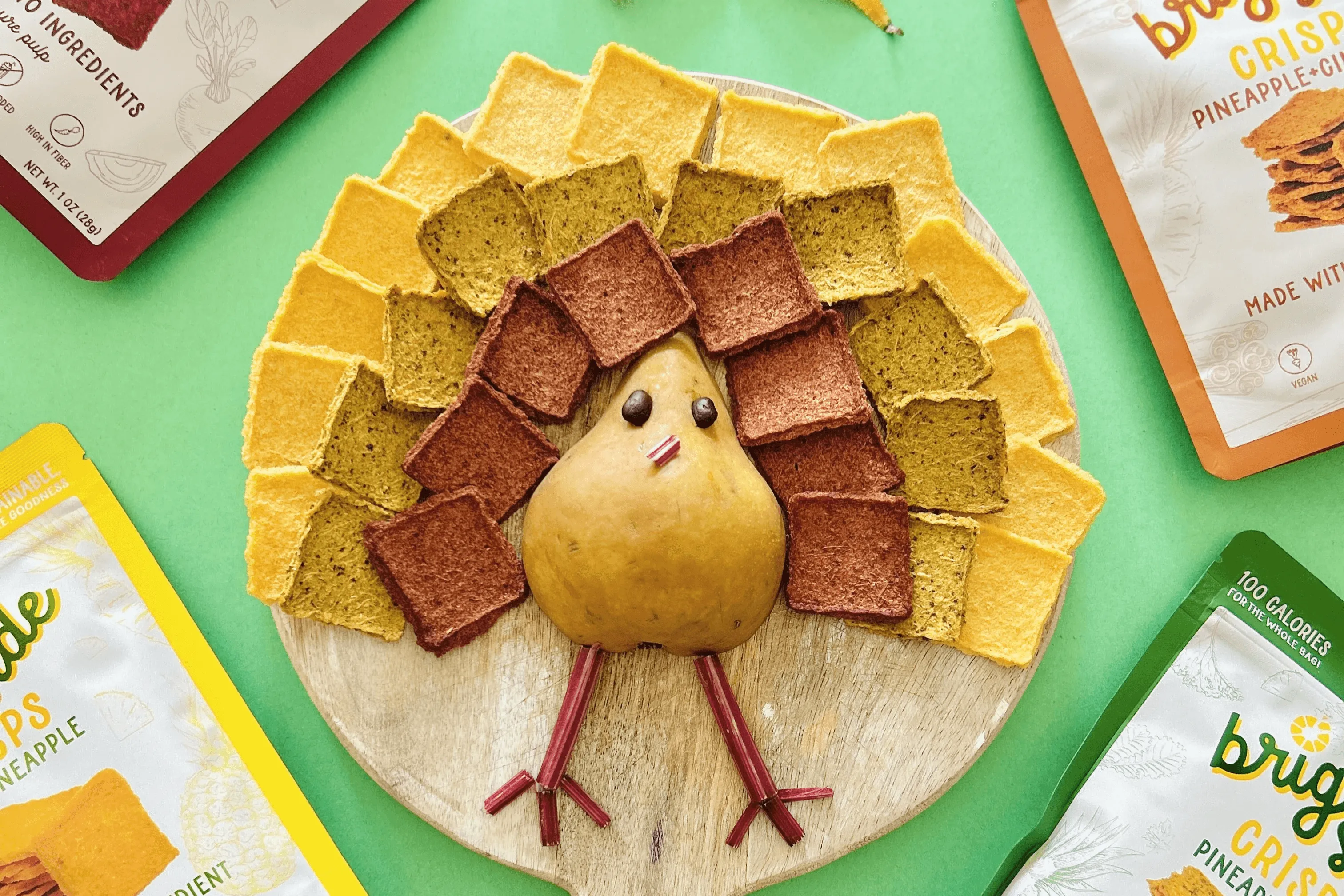
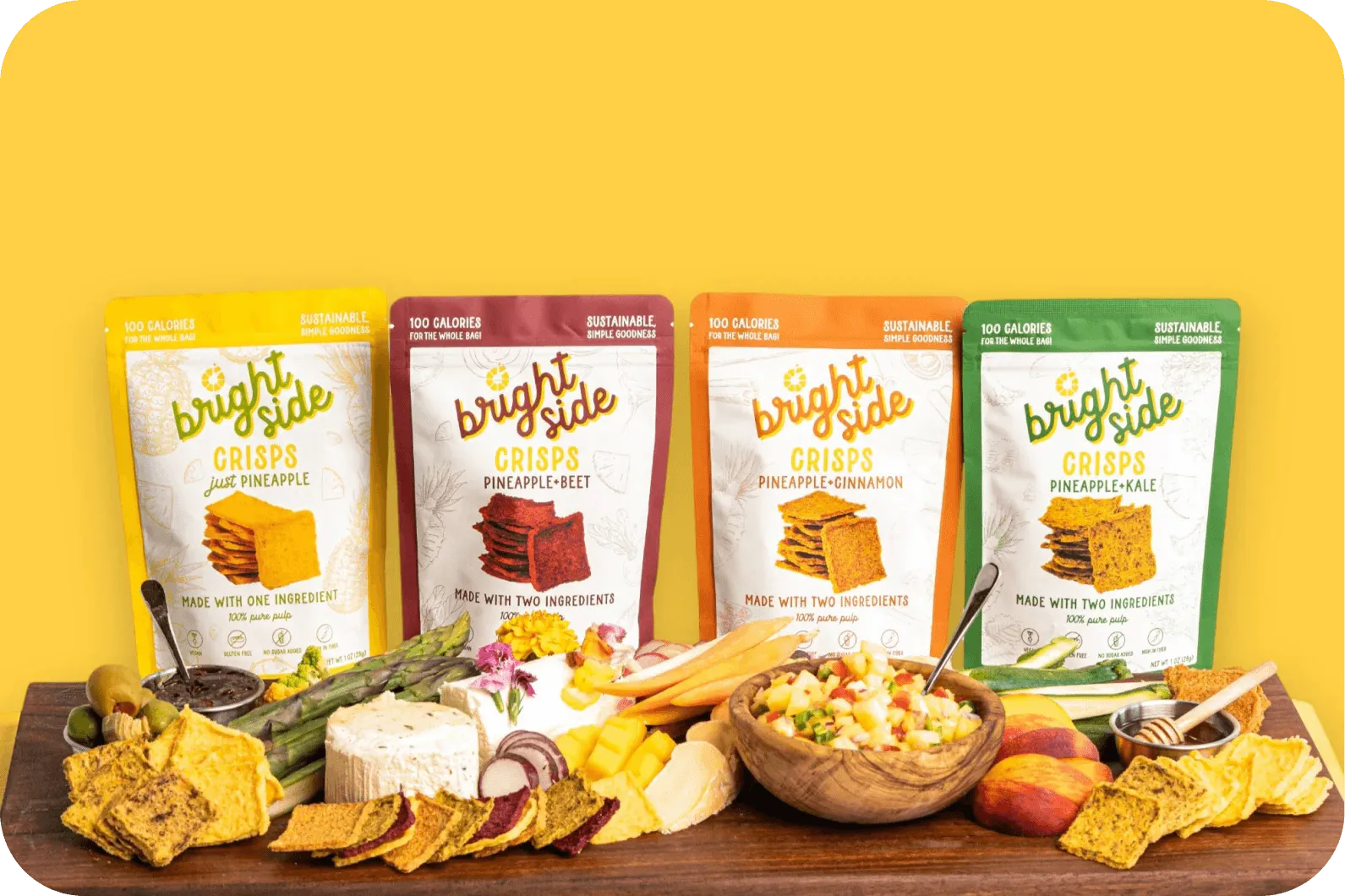
And increasingly, choosing upcycled food products — snacks, sauces, and ingredients made from rescued produce — is one of the most direct ways consumers can vote with their dollars against a system that wastes too much.
The problem is big. But the entry point is small. It starts with what you put in your cart.