
Upcycled food is one of the fastest-growing trends in sustainable eating. But what does it actually mean — and why should you care?
Lisa Helfman
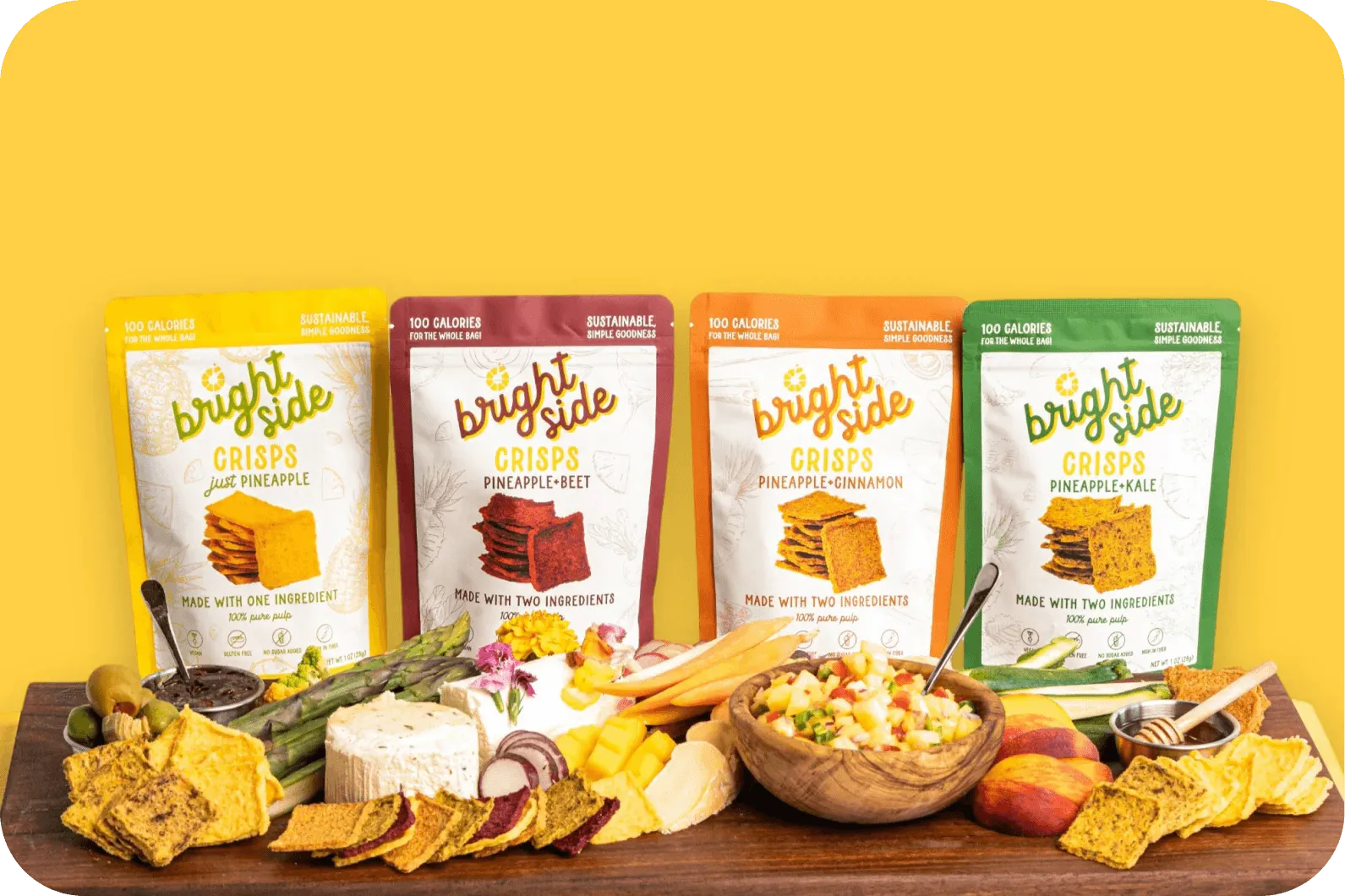
You've probably seen the word on packaging lately. Upcycled. Maybe you nodded along like you knew what it meant. Maybe you Googled it quietly. Either way, here's the honest, plain-English breakdown of what upcycled food actually is, why it exists, and why it matters more than most food trends.
The Problem It's Solving
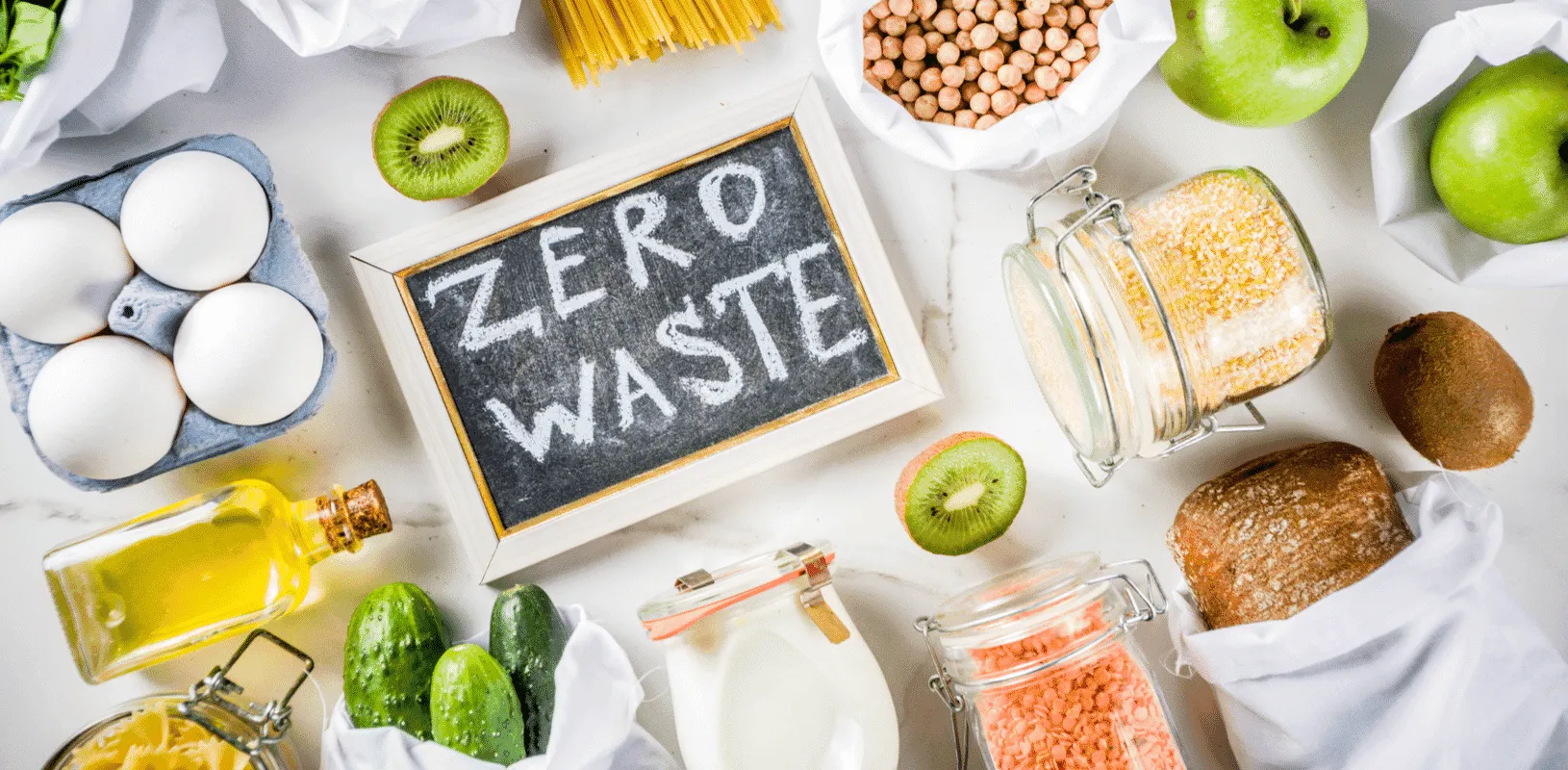
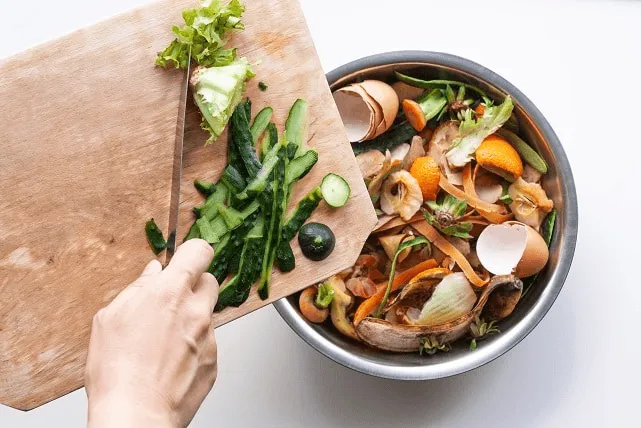
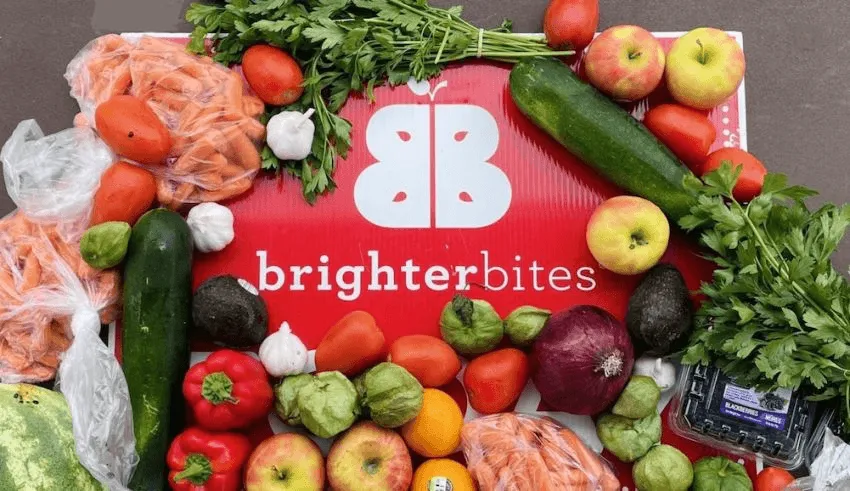
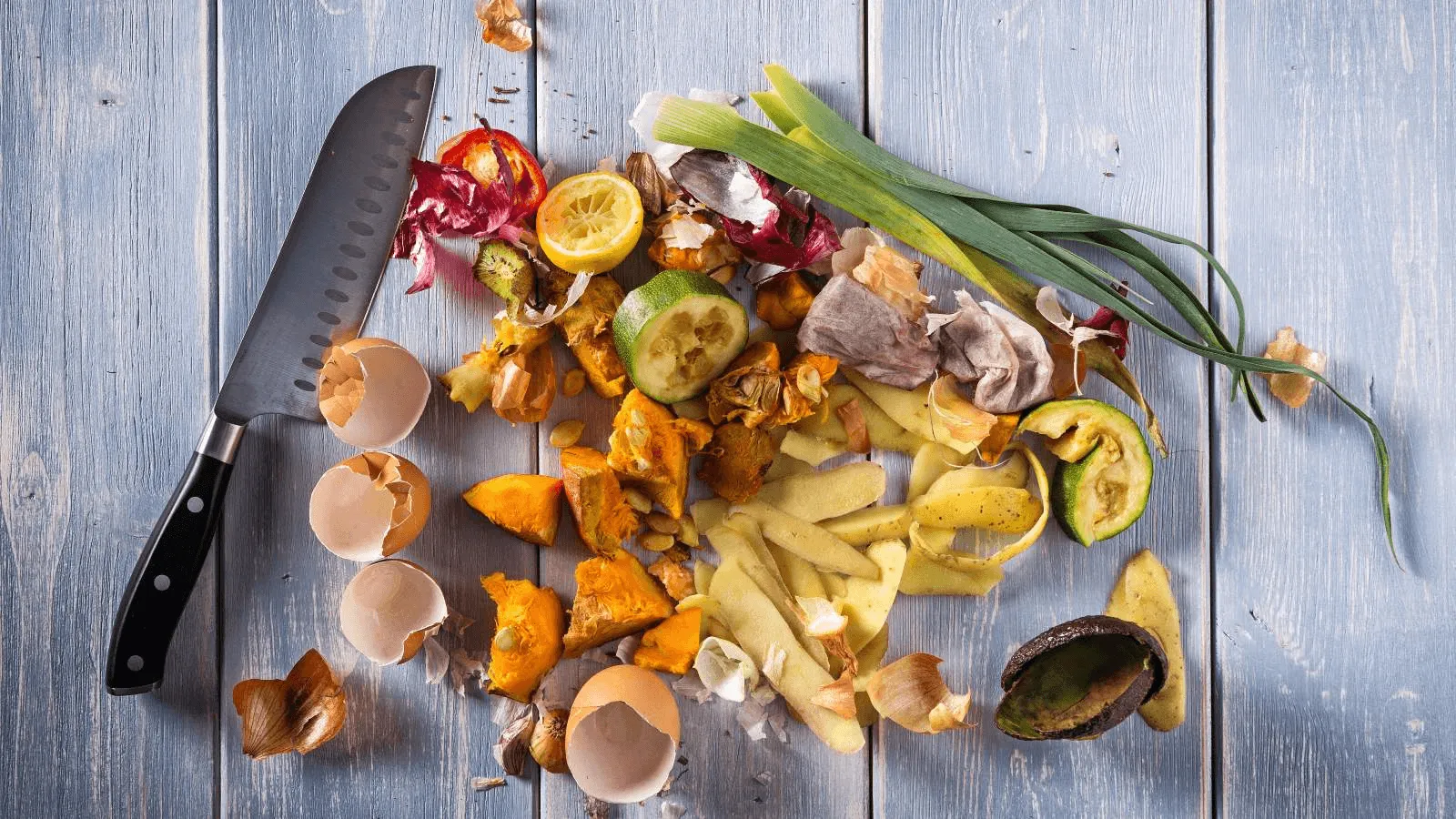
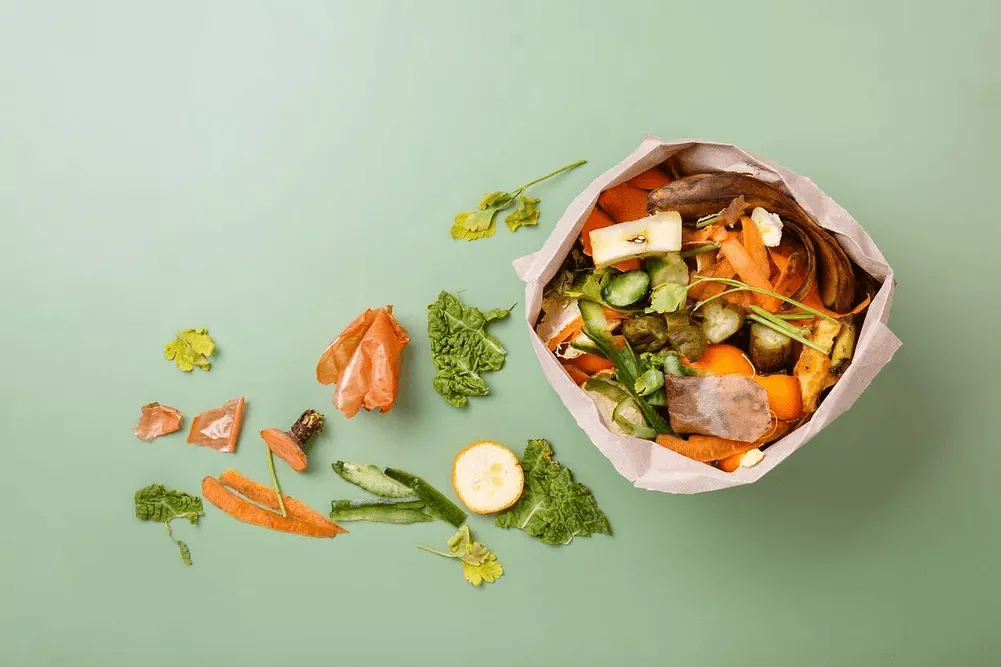
About 40% of all food produced in the United States never gets eaten. A huge chunk of that waste happens before food even reaches a grocery store — at the farm level. Produce gets rejected not because it's bad, but because it's the wrong shape, the wrong size, or simply surplus. A pepper that's slightly too curved. A sweet potato that grew a little too large. Perfectly edible. Perfectly nutritious. Destined for the compost bin.
This is the problem upcycled food is designed to solve.
So What Does Upcycled Actually Mean?
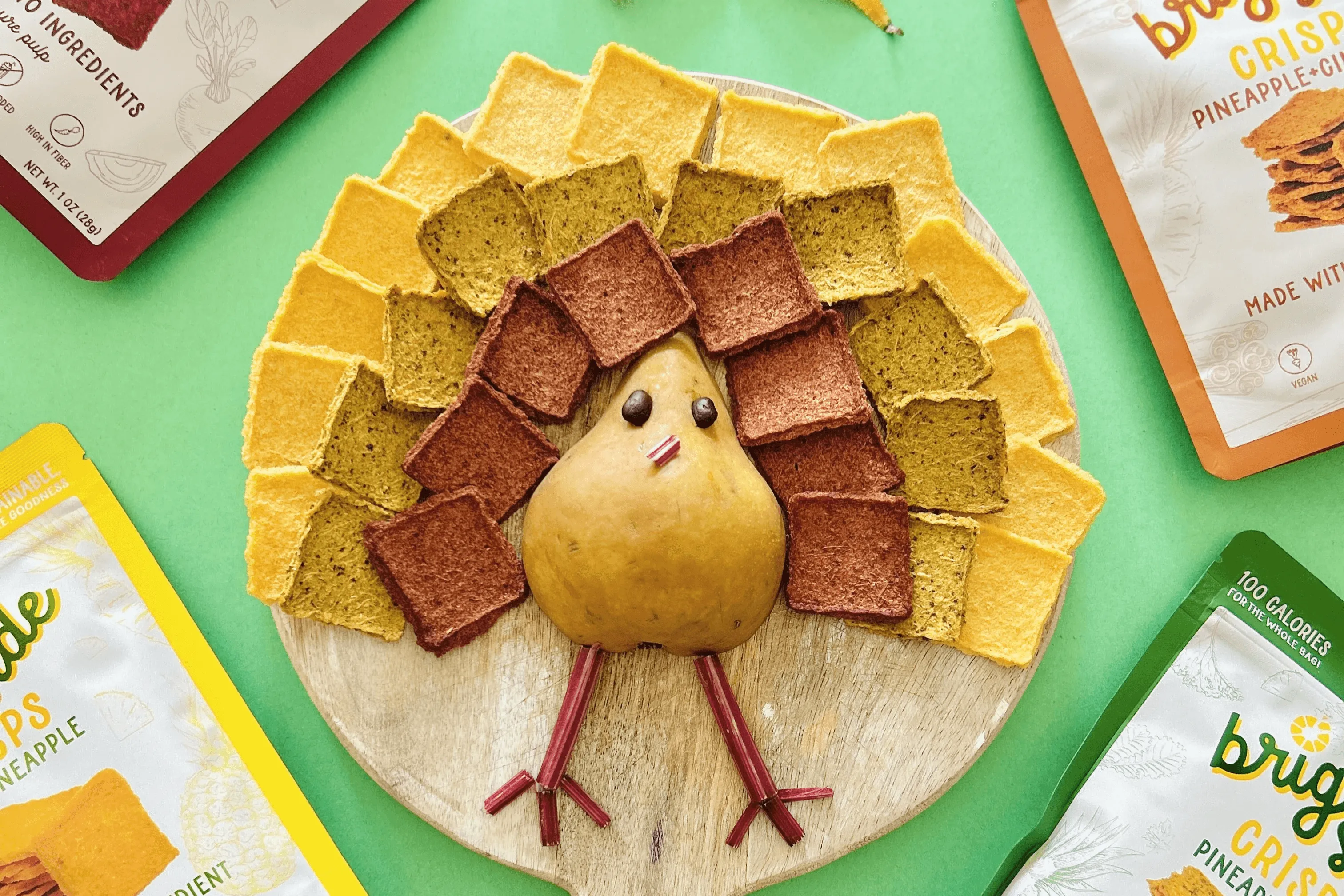
Upcycled food is made from ingredients that would otherwise have gone to waste — rescued from the supply chain before they could be discarded and given a second, delicious life. The Upcycled Food Association defines it as food that uses ingredients that otherwise would not have gone to human consumption